My Approach
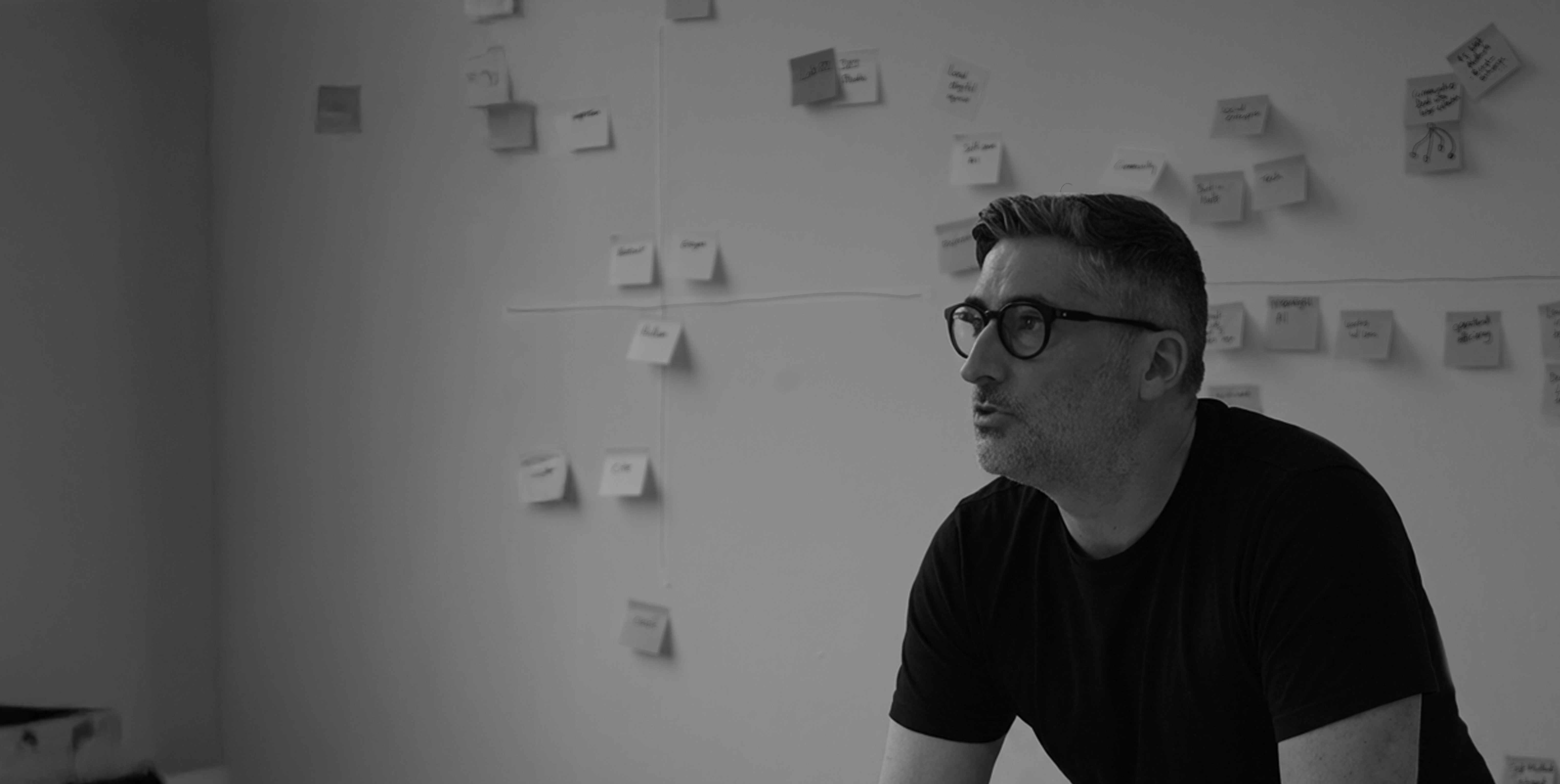
ALIGNING BRAND, EXPERIENCE AND STRATEGIC DIRECTION IN COMPLEX ORGANISATIONS.
Design should shape direction, not just deliver output.
In complex organisations, design can easily become busy but peripheral. It produces artefacts, but it does not influence decisions.
My work focuses on repositioning design upstream, where it sharpens strategic direction, aligns teams and defines capability before delivery begins.
This is not about increasing volume. It is about changing the level at which design operates.
Design in Enterprise Contexts
In enterprise, regulated and multi-stakeholder environments, decisions shape systems, governance and long-term outcomes. When design is confined to execution, its strategic potential is limited.
Positioned correctly, design:
Clarifies direction across functions
Reduces duplication and misalignment
Strengthens briefs before resources are committed
Connects brand, product and service into coherent experience
The objective is organisational coherence, not aesthetic improvement.
Leadership Creates Conditions
Design leadership is not control. It is the creation of conditions -
Clear direction.
Strong briefs.
Constructive challenge.
Psychological safety.
High standards.
When those conditions are present, teams do better work. When they are absent, design becomes reactive.
I am not brought in to decorate strategy. I am brought in to ensure design shapes it.
Craft and Strategy Are Not Separate
The decisions that shape a brand, an identity or a visual system carry the same weight as strategic ones. They signal intent. They signal confidence. They signal direction.
When I create identities or guidelines, they are grounded in context and ambition. The workshop defines the clarity. The creative work gives it form.
Expression is not applied at the end. It is part of the direction itself.
Responsible Integration of AI
The integration of AI must be disciplined by value, governance and ethical clarity. The question is not simply what can be automated or accelerated, but what should be, and to what end.
Using structured design methods, organisations can evaluate where AI creates real value, where it introduces risk, and how it aligns with brand and societal responsibility.
Innovation aligned to value creates advantage.
From Delivery to Direction
Across brand, service, product and organisational design, the pattern is consistent. When design operates downstream, it reacts. When it operates upstream, it influences.
My approach is to move design toward influence. Not louder, but higher, where it shapes outcomes rather than simply delivering them.
Design is a translator. It turns complexity into clarity and intent into outcome.
Where design sits determines the value it creates.
If this resonates, let’s define your next step.
No prep. Just clarity.